Washington Park Neighborhood
Denver's most beloved park neighborhood — 165 acres of lakes, gardens, and tree-lined paths surrounded by historic homes, charming commercial streets, and one of the city's strongest communities.
Neighborhood Spotlight
Washington Park — "Wash Park" to everyone who lives here — is consistently ranked as one of Denver's top two or three most desirable neighborhoods. Located in south-central Denver, just 10 minutes from downtown, the neighborhood is defined by its namesake 165-acre park: two lakes, formal flower gardens, miles of paved and dirt trails, volleyball courts, soccer fields, and a recreation center that draws residents outdoors year-round.
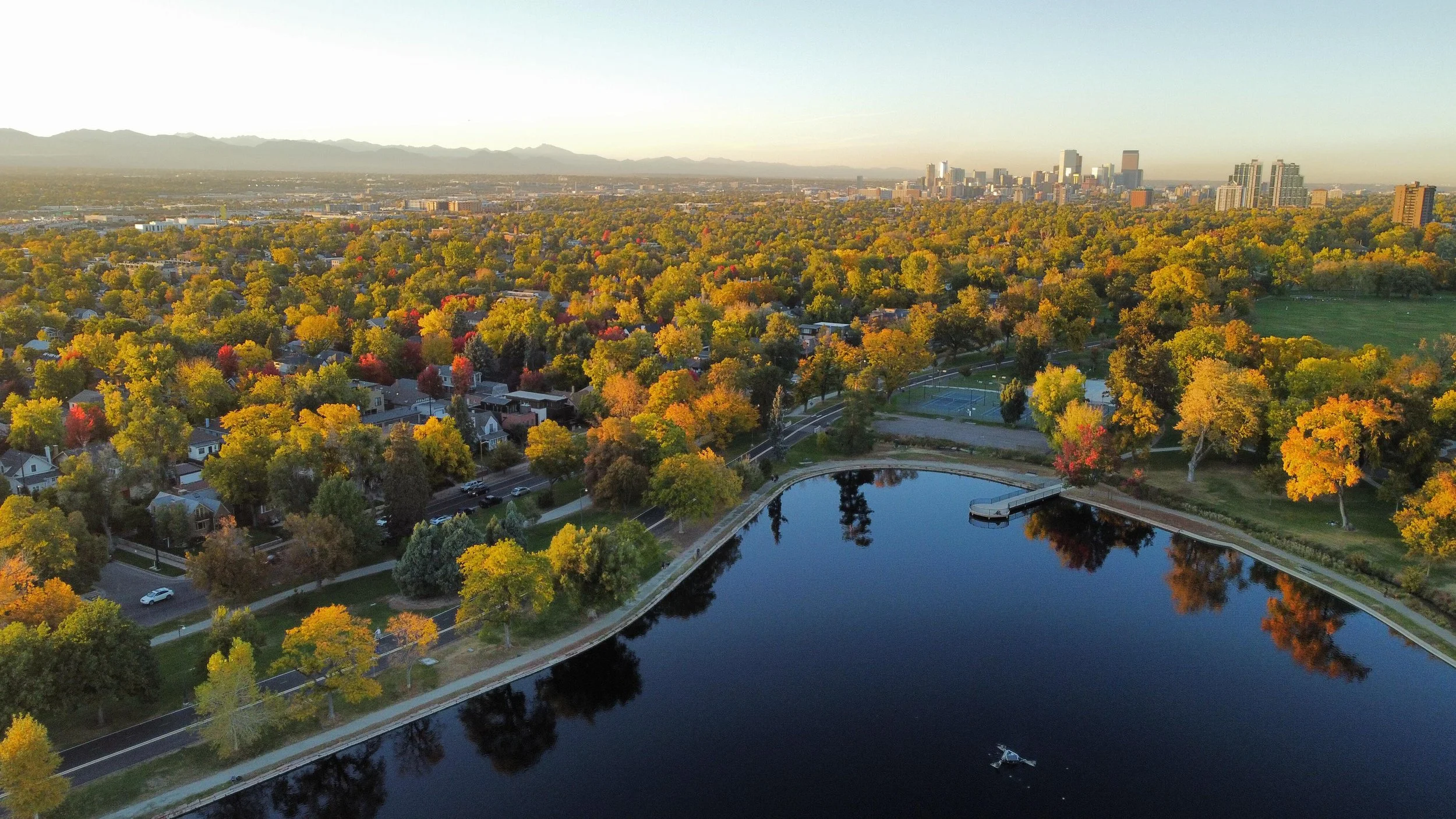
The park was designed with input from Frederick Law Olmsted Jr., the son of the legendary architect behind New York's Central Park. That pedigree shows. The north garden near Smith Lake is a formal arrangement of geometric gravel paths and two dozen flowerbeds bursting with roses, geraniums, and petunias. The south garden on the shore of Grasmere Lake is a careful replica of Martha Washington's garden at Mount Vernon. On still evenings, Smith Lake becomes a reflecting pool for Colorado's sunsets and the snowcapped Front Range — a scene that never gets old.
Beyond the park, Wash Park is a neighborhood of tree-lined streets, front-porch living, and a strong sense of community. It attracts families, young professionals, and long-time Denverites who value walkability, excellent schools, and proximity to the city's best dining and shopping districts. It's also one of Denver's most expensive neighborhoods — but for many, the premium is worth every dollar.
The Neighborhood and Location
Wash Park sits in south-central Denver, roughly bordered by Downing Street to the west, Cherry Creek to the north, I-25 to the south, and University Boulevard to the east. The neighborhood is commonly divided into two sectors: East Wash Park (east of Franklin Street) and Washington Park West (west of Downing Street), each with its own character and price points.
East Wash Park evolved into a sought-after residential area as the park took shape in the early 1900s. Grand homes with mountain views were built along the park's eastern edge — many of which still stand today. The closer you get to the park, the higher the prices climb. Washington Park West, meanwhile, started as a mix of working-class families and young professionals, offering a more diverse range of housing including duplexes, apartment buildings, and smaller single-family homes. Over time, both sides have appreciated enormously, though Wash Park West still offers a more accessible entry point.
The neighborhood's central location is a major asset. Downtown Denver is a quick 10-minute drive, with easy access to I-25 and a nearby light rail station. Biking downtown via the Cherry Creek Trail is a popular commute. South Gaylord Street and South Pearl Street (closeby in Platt Park) provide walkable shopping and dining corridors within the neighborhood itself, so many daily errands never require a car.
Walkability, Lifestyle, and Amenities
Life in Wash Park revolves around the park itself and the two commercial streets that anchor the neighborhood's social scene. The 2.3-mile inner paved loop and 2.6-mile outer gravel path are busy from sunrise to sunset — runners, cyclists, dog walkers, families with strollers, and volleyball players share the space daily. Smith Lake offers paddle boat rentals and fishing in warmer months, while the volleyball courts host leagues in spring, summer, and fall that are famous across Denver for being competitive and fun in equal measure.
Old South Gaylord Street, just a few blocks west of the park, is one of Denver's oldest shopping and dining districts. Late-19th-century houses have been converted into boutiques, cafes, restaurants, and bars, giving the street a charming, village-like feel. It's the setting for the neighborhood's biggest events, including the Memorial Day weekend Block Party and the annual Oktoberfest celebration in September.
Notable dining includes Bittersweet (artisan fine dining by a husband-and-wife chef team), Homegrown Tap & Dough (pizza, pasta, and Colorado-inflected Italian), and Duffeyroll Cafe Bakery (beloved handcrafted sweet and savory pastries). And no Wash Park day is complete without a stop at Bonnie Brae Ice Cream, where all scoops and sorbets are made in-house — flavors like pineapple pistachio have earned a devoted following.
Wash Park Real Estate: Prices, Trends, and Types of Homes
Washington Park is one of the most expensive residential neighborhoods in Denver, and demand consistently outpaces supply. Here's the current market picture:
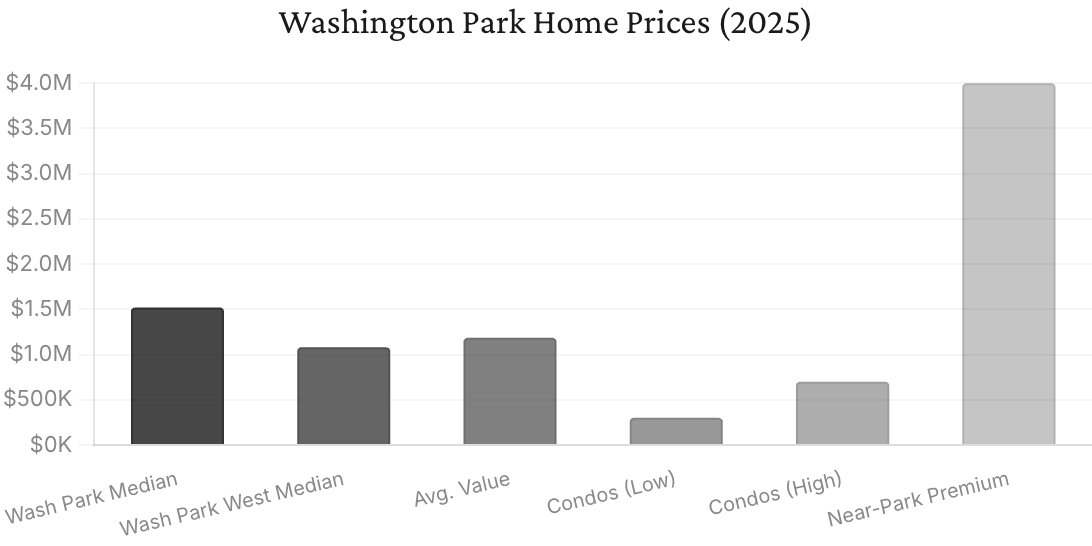
Median Home Sale Price (Wash Park): $1,520,000 (up 10.6% year-over-year)
Median Home Sale Price (Wash Park West): $1,080,000 (up 19.8% year-over-year)
Average Home Value: $1,185,000
Median Price per Sq Ft: $525
Average Days on Market: 18 (Wash Park) / 8 (Wash Park West)
Median Listing Price: $1,947,500
Active Listings: ~76 homes
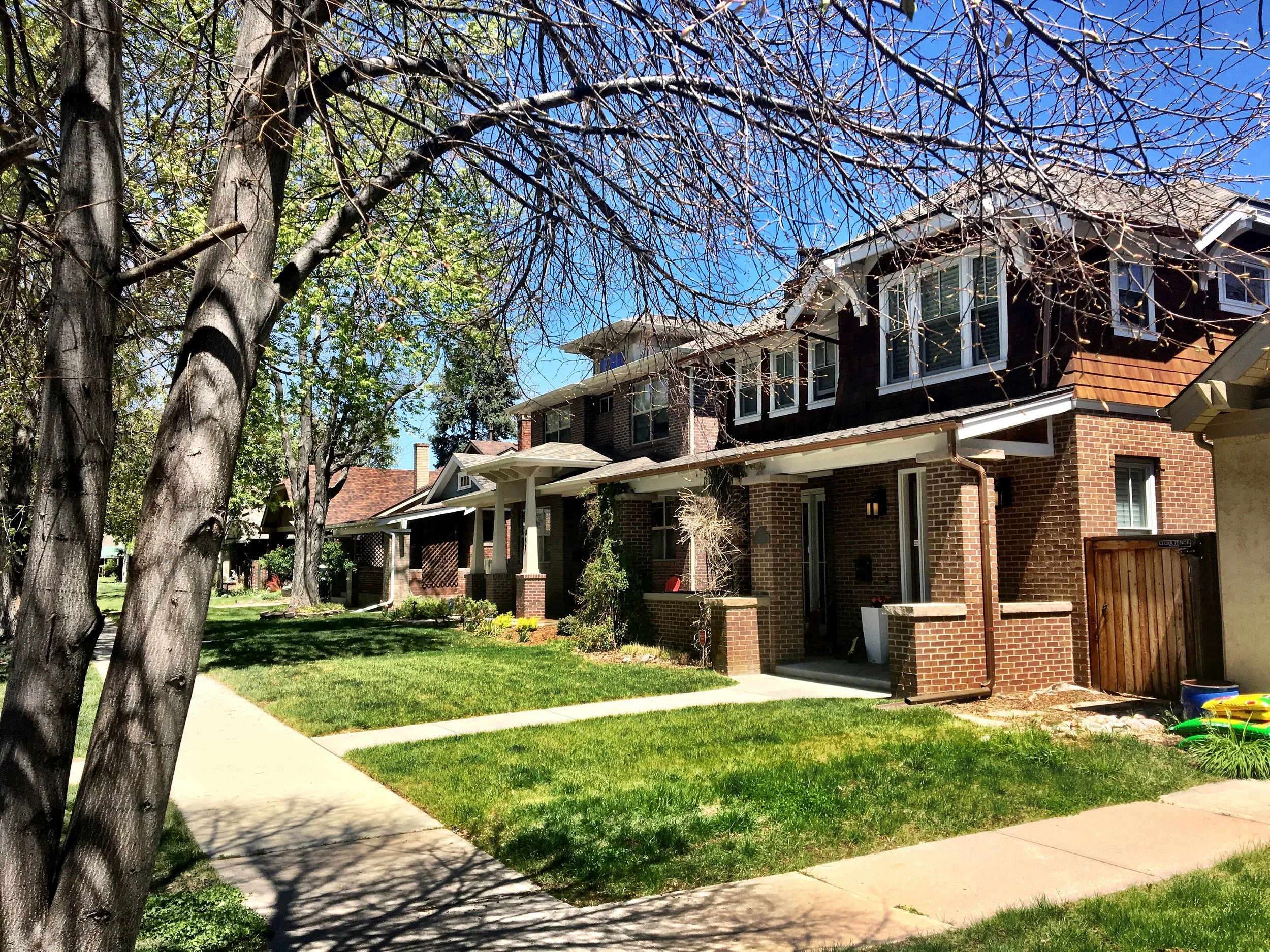
The housing stock tells the story of a neighborhood that's evolved over more than a century. Early 20th-century Victorians, classic brick bungalows, and Denver Squares sit alongside sleek contemporary new-builds on scraped lots. Many of the older homes — some dating to the 1910s and 1920s — have been extensively renovated, blending original character (old-growth wood floors, brick facades, craftsman details) with modern kitchens and finishes. There's a steady trend of teardowns and new construction on lots sized between 5,000 and 7,000 square feet.
Condos offer the most accessible entry point, starting around $300K for a one-bedroom on the neighborhood's north side, with larger units running $500K–$700K+. Notable condo buildings include Park Lane, Marion Park, Park Lafayette, and House of Rothschild — all about half a mile from the park itself. Single-family homes are where prices climb sharply: a full gut-job might start around $700K, but most move-in-ready homes sell well above $1 million, with prime locations near the park commanding $2 million to $4 million+.
Homes here sell fast. In Wash Park proper, the median days on market is just 18 — and in Wash Park West, it's 8 days. Hot homes routinely go pending within 4–5 days of listing. Limited inventory, strong demand, and a neighborhood reputation that draws buyers from across the country keep the market moving at a pace that few Denver neighborhoods can match.
Benefits of Living in Washington Park
One of Denver's Best Parks at Your Doorstep
The 165-acre park is the neighborhood's crown jewel. Two lakes, formal gardens designed in the tradition of Mount Vernon, miles of running and biking paths, volleyball leagues, paddle boats, playgrounds, tennis courts, and year-round programming make it one of the most used and beloved urban parks in the Western U.S. It's not just a park — it's the reason people move here.
Strong Community and Family-Friendly Living
Wash Park consistently ranks among Denver's best neighborhoods for families. Excellent schools — including Steele Elementary, South High School, and the Denver School of the Arts — combine with safe, walkable streets and an active community to create an environment where kids grow up playing in the park, walking to school, and knowing their neighbors. Volleyball leagues, summer concerts, block parties, and the Sunday farmers market build a social fabric that's rare in a city growing as fast as Denver.
Central Location with Easy Access
Downtown is 10 minutes away by car, the Cherry Creek bike trail provides a scenic commute, and I-25 and light rail offer quick connections to the rest of the metro. Wash Park is close to everything without feeling like you're in the middle of it.
Drawbacks and Considerations
One of Denver's Most Expensive Neighborhoods
There's no way around it: Wash Park is pricey. The median home sale price sits at $1.52 million (and $1.08 million for Wash Park West), with the best properties near the park commanding $2–4 million+. Even condos start at $300K for a modest one-bedroom. For many buyers, especially first-timers, Wash Park is aspirational rather than accessible. The price-per-square-foot of $525 is among the highest in Denver.
Construction and Teardowns
The steady trend of tearing down older homes to build larger, contemporary new-builds is a double-edged sword. While it brings fresh housing stock to market, it also means construction activity on residential streets, changing streetscapes, and the loss of some historic character. Not everyone appreciates a modern box going up next to a 1920s bungalow.
Park Crowds on Peak Days
The park's popularity is a blessing and a curse. On summer weekends, volleyball tournaments, and holidays, the park fills up fast. Parking along the perimeter streets gets competitive, and the trails can feel crowded. If you want solitude in the park, aim for early mornings or weekdays.
Things to Do in Washington Park
The Park Itself: Walk, run, or bike the 2.3-mile paved inner loop or the 2.6-mile gravel outer path. Rent paddle boats on Smith Lake, play volleyball in Denver's most popular leagues, explore the formal north gardens, or visit the south garden — a replica of Martha Washington's Mount Vernon. Bring a blanket for summer concerts and pack a picnic for the weekend.
Old South Gaylord Street: Browse boutiques and shops in converted 19th-century homes. Dine at Wash Park favorites, and don't miss the Memorial Day Block Party and Oktoberfest in September — two of the neighborhood's signature annual events.
Eat and Drink: Start your day with a Duffeyroll pastry, lunch at Homegrown Tap & Dough, enjoy an evening at Bittersweet (fine dining by a husband-and-wife chef team), and end the day at Bonnie Brae Ice Cream — all scoops made in-house, with flavors like pineapple pistachio earning a devoted following.