Highland Neighborhood
Denver's original garden city — where walkable streets, world-class dining, historic Victorian charm, and modern urban energy meet just steps from downtown.
Neighborhood Spotlight
Highland is one of Denver's original neighborhoods — and one of its hottest. Located just northwest of downtown, it was incorporated as the City of Highland, Colorado in 1875, earned the nickname "The Garden City of the Plains" for residents' devotion to planting gardens and trees, and was annexed by Denver in 1896. Today, it's a seamless blend of that historic character and modern urban energy, consistently ranked among the city's most desirable places to live, eat, and explore.
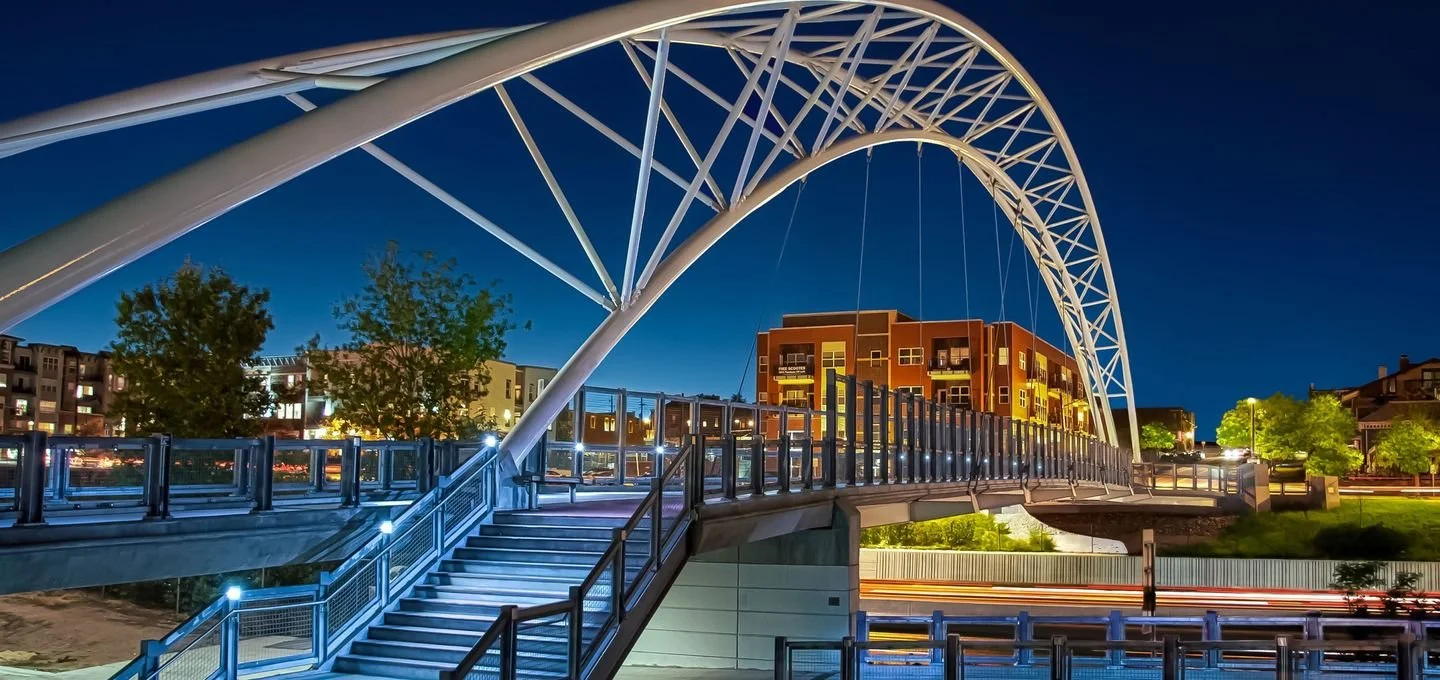
Though the city officially considers Highland one large neighborhood, locals know it as three distinct areas: Highland (centered around the Potter Highlands Historic District and Highland Square along 32nd Avenue), LoHi (Lower Highlands, packed with restaurants, bars, rooftop patios, and downtown views), and Platte Street (older brick buildings and businesses that feel almost like an extension of downtown, connected by the Highland Pedestrian Bridge over I-25).
With a population of about 11,300, a Walk Score of 92, and arguably more food and beverage options per capita than any other neighborhood in Denver, Highland attracts a mix of young professionals, growing families, and long-time residents who appreciate walkable streets, proximity to downtown, and a neighborhood that's never short on things to do.
The Neighborhood and Location
Highland sits just northwest of downtown Denver, bordered roughly by 38th Avenue to the north, Federal Boulevard to the west, Speer Boulevard to the south, and I-25 to the east. It's one of the most centrally located residential neighborhoods in the city — close enough to walk or bike downtown, but with the tree-lined streets, front porches, and neighborhood feel that downtown itself lacks.
The Potter Highlands Historic District, in the northern part of the neighborhood, is where Highland's 19th-century roots are most visible. Stately Victorians, Denver Squares, and Craftsman bungalows sit on mature, tree-lined blocks that feel like stepping back in time. Many of these homes date to before the silver crash of 1893, and historic preservation efforts have kept the neighborhood's architectural integrity intact.
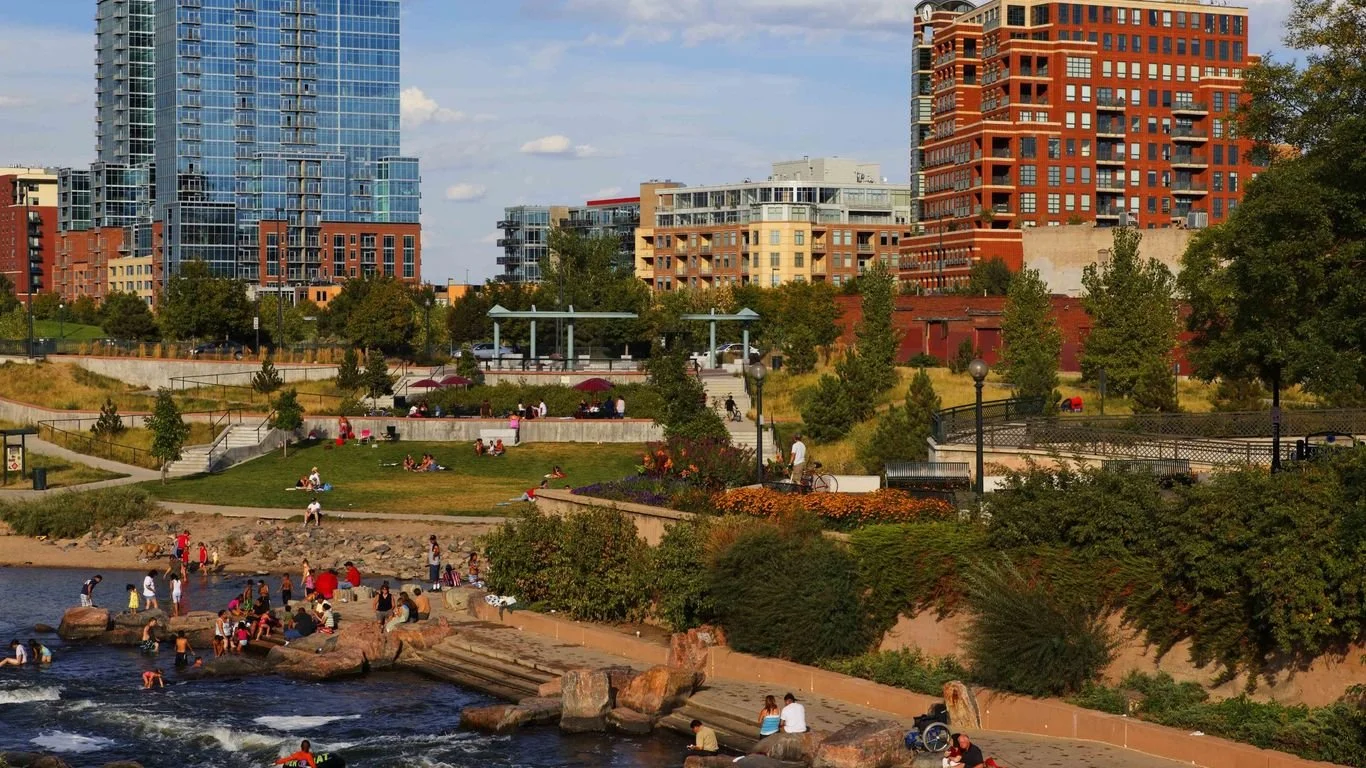
Moving south and east into LoHi, the vibe shifts dramatically. Here you'll find sleek modern townhomes and condos, rooftop restaurant patios with sweeping downtown skyline views, and a density of dining and nightlife that rivals any neighborhood in Colorado. The Highland Pedestrian Bridge — the connection that transformed the area in the early 2000s — links LoHi directly to Commons Park and Lower Downtown, making the walk to Union Station a pleasant 15-minute stroll.
Walkability, Lifestyle, and Amenities
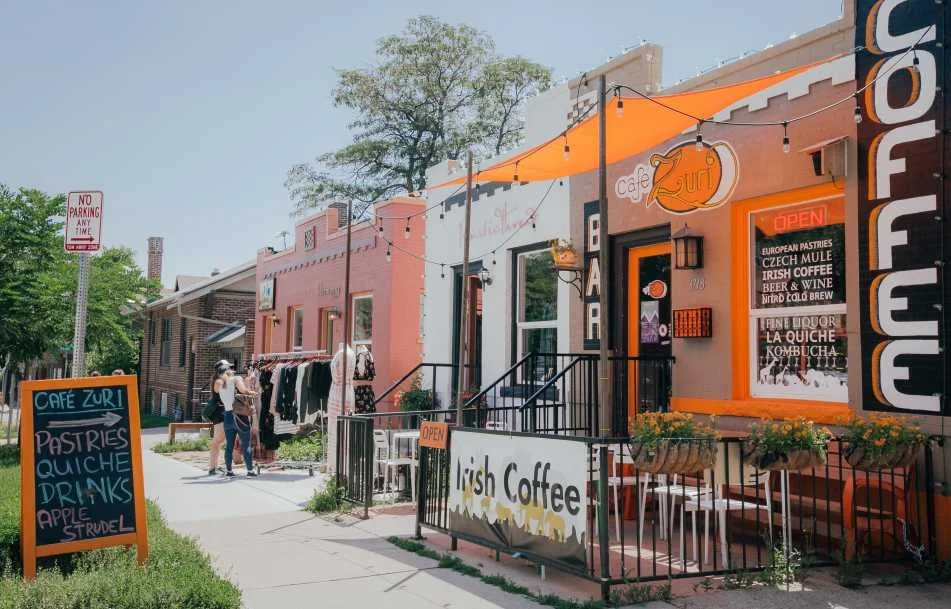
Highland is, by the numbers, one of the most walkable neighborhoods in Denver. A Walk Score of 92 ("Walker's Paradise"), a Bike Score of 80, and a Transit Score of 70 mean most daily errands, dining, and entertainment are accessible without a car. RTD Route 32 runs along 32nd Avenue, and the Highland Bridge provides a direct pedestrian and bike link to downtown and Union Station.
But the real story is the food. Highland boasts more food and beverage options per capita than any other neighborhood in Denver. LoHi alone is a culinary destination: Alma Fonda Fina (Michelin-starred Mexican by Chef Johnny Curiel), Linger and Root Down (inventive globally-inspired cuisine with rooftop views), and Cart-Driver (wood-fired pizzas) are just the beginning. Avanti Food & Beverage, the pioneering food hall concept on Pecos Street, houses multiple chef-driven stalls under one roof.
On the cocktail and spirits side, Williams & Graham is a nationally recognized speakeasy behind a hidden bookshelf door, The Family Jones Spirit House crafts house-distilled spirits with small plates, and Forest Room 5 offers cocktails in a fire-lit outdoor patio covered in trees. For coffee, locals line up at Blue Sparrow Coffee, Steam Espresso Bar, and Hello Darling.
And then there's the landmark: Little Man Ice Cream, housed in a 28-foot-tall cream can on 16th Street, with an ever-rotating menu of locally made flavors. Every scoop purchased donates a scoop of rice, beans, or other food to communities in need worldwide. Lines wrap around the block on summer evenings — and it's worth every minute.
For longer-time staples, Lechuga's Italian Restaurant has been serving the neighborhood since the mid-1900s, and My Brother's Bar — at over 150 years old — is the city's oldest watering hole (order a burger with your beer).
Highland Real Estate: Prices, Trends, and Types of Homes
Highland is a premium Denver neighborhood, and the real estate reflects it. While prices have softened slightly from pandemic-era peaks, this remains one of the most desirable — and competitive — areas in the city. Here's the current market snapshot:
Average Home Value: $840,645
Median Sale Price: $775,000
Median Single-Family Sale Price: $975,000
Median Townhouse Sale Price: $720,000
Average Price per Sq Ft: $524
Average Days on Market: 48
Total Home Sales (Last 12 Months): 179
Median Year Built: 1910
The housing stock in Highland is one of its defining features. The Potter Highlands Historic District is full of pre-1900 Victorians, Denver Squares, and Craftsman bungalows — some preserved, some lovingly renovated, and some available as fixer-uppers starting around $190K. On the other end, modern new-construction single-family homes on scraped lots command $1 million to $2.5 million, especially near LoHi where downtown views add a significant premium.
Townhomes range from about $390K to $1.8 million depending on age, size, and proximity to the restaurant corridors. Condos span a wide range — from $200K studios to $2.3 million penthouses in newer LoHi developments. Apartments are also plentiful, with monthly rents running between $900 and $3,600 depending on size and building.
Home prices have dipped slightly year-over-year, with the median sale price down about 9% from the prior 12-month period. Days on market have increased, and sellers are seeing more negotiation from buyers. If you've been priced out of Highland in recent years, this may be one of the better windows to get in.
Benefits of Living in Highland
One of Denver's Most Walkable Neighborhoods
With a Walk Score of 92, Highland earns a "Walker's Paradise" rating. Grocery stores, restaurants, coffee shops, parks, and entertainment are all within easy walking distance. The Highland Pedestrian Bridge connects you to downtown and Union Station on foot or by bike, making a car-optional lifestyle genuinely viable here — something few Denver neighborhoods can claim.
Unmatched Dining and Nightlife
No neighborhood in Denver rivals Highland's density of dining options. From Michelin-starred Alma Fonda Fina and the inventive global kitchens at Linger and Root Down, to the nationally recognized speakeasy Williams & Graham and iconic Little Man Ice Cream, the food and drink scene here is deep, diverse, and constantly evolving. If you care about what you eat and drink, there's no better place to be in Denver.
Rich History and Architectural Character
Highland has been a neighborhood since 1875 — making it older than Denver's annexation of it. The Potter Highlands Historic District preserves Victorian, Denver Square, and Craftsman homes that give the neighborhood a character and maturity most of Denver's newer areas simply can't match. Walking the tree-lined blocks here feels like stepping into a different era.
Proximity to Downtown Without the Downtown Feel
Highland is arguably the closest true residential neighborhood to downtown Denver. You get the front porches, the tree canopy, the neighbors-waving feel — with a 15-minute walk or 5-minute drive to the heart of the city. For people who want urban access without urban living, it's the sweet spot.
Drawbacks and Considerations
Premium Pricing
Highland is not an affordable neighborhood. The average home value sits above $840K, and desirable single-family homes near LoHi regularly exceed $1 million. While prices have softened recently, this is still a premium market that prices out many first-time buyers — especially for single-family homes. Condos and smaller townhomes offer more accessible entry points, but HOA fees can add $300–$600+ per month.
Parking and Traffic Pressure
The same walkability and restaurant density that make Highland great also create parking headaches. Street parking near LoHi and 32nd Avenue can be extremely competitive, especially on weekend evenings. If you rely on a car daily, factoring in garage or off-street parking is important when choosing a home here.
Construction and Density Changes
Highland is still actively developing. New townhome and condo projects regularly pop up, especially in LoHi and along Federal Boulevard. While development brings new housing options and businesses, it also means construction noise, changing views, and an evolving neighborhood character that not every resident welcomes. The tension between preservation and modernization is real.
Things to Do in Highland
Dining and Drinks: Explore Denver's densest restaurant scene — from Michelin-starred Alma Fonda Fina and inventive Root Down to the Avanti F&B food hall, Williams & Graham speakeasy, Little Man Ice Cream, and over 150 years of history at My Brother's Bar.
Parks and Green Space: Walk or bike through Confluence Park where Cherry Creek meets the South Platte, relax in Commons Park (connected via the Highland Bridge), or explore Highland Park's 7-acre trails and the family-friendly Viking Park.
Arts and Culture: Catch a show at the Bug Theatre (a 1912 movie house turned community stage for comedy, burlesque, film festivals, and trivia nights), visit the Kirk of Highland for immersive light installations, or stroll the Tennyson Street First Friday Art Walk nearby.
Events and Festivals: The annual Highlands Street Fair each June brings live music, food, arts and crafts, and a classic car show to the neighborhood. Nearby Tennyson Street hosts a Street Fair, Fall Festival, and the Berkeley Beer Festival throughout the year.