City Park Neighborhood
One of Denver’s most vibrant, walkable central neighborhoods, centered on the best urban park in the metro.
Neighborhood Spotlight
Located at the heart of Denver, City Park and its adjacent neighborhoods—City Park West and Skyland—offer a vibrant blend of historic charm, unbeatable green spaces, and urban amenities. This writeup provides an up-to-date look at what makes City Park special, covering its location, lifestyle, real estate market trends, and the benefits and drawbacks of living in this iconic neighborhood.
Residents here enjoy near-instant access to the city’s largest park, a robust restaurant and entertainment scene, and diverse architecture, from classic turn-of-the-century homes to modern condos. However, buyers need to weigh some trade-offs—including rising property values, periodic traffic and parking challenges, and the “unique” energy of nearby Colfax Avenue.
The Neighborhood and Location
City Park encompasses three main neighborhoods: City Park (directly south of the park), City Park West (to the west), and Skyland (to the north). Together, they form the community most locals refer to simply as “City Park.” This area sits just ten minutes east of downtown Denver, making it highly accessible for commuters and urban explorers alike. The park itself is a 330-acre gem, featuring iconic institutions like the Denver Zoo and the Denver Museum of Nature & Science, plus lakes, playgrounds, walking and bike trails, and the newly updated City Park Golf Course.
City Park’s central location means residents are always just a short stroll or bike ride from some of the city’s most popular cafes, bars, and entertainment venues. The southern border along Colfax Avenue anchors the area with landmarks like the historic Bluebird Theater, neighborhood eateries such as Fat Sully’s and Atomic Cowboy, and numerous coffee shops and music venues—fueling the area’s lively, urban vibe.
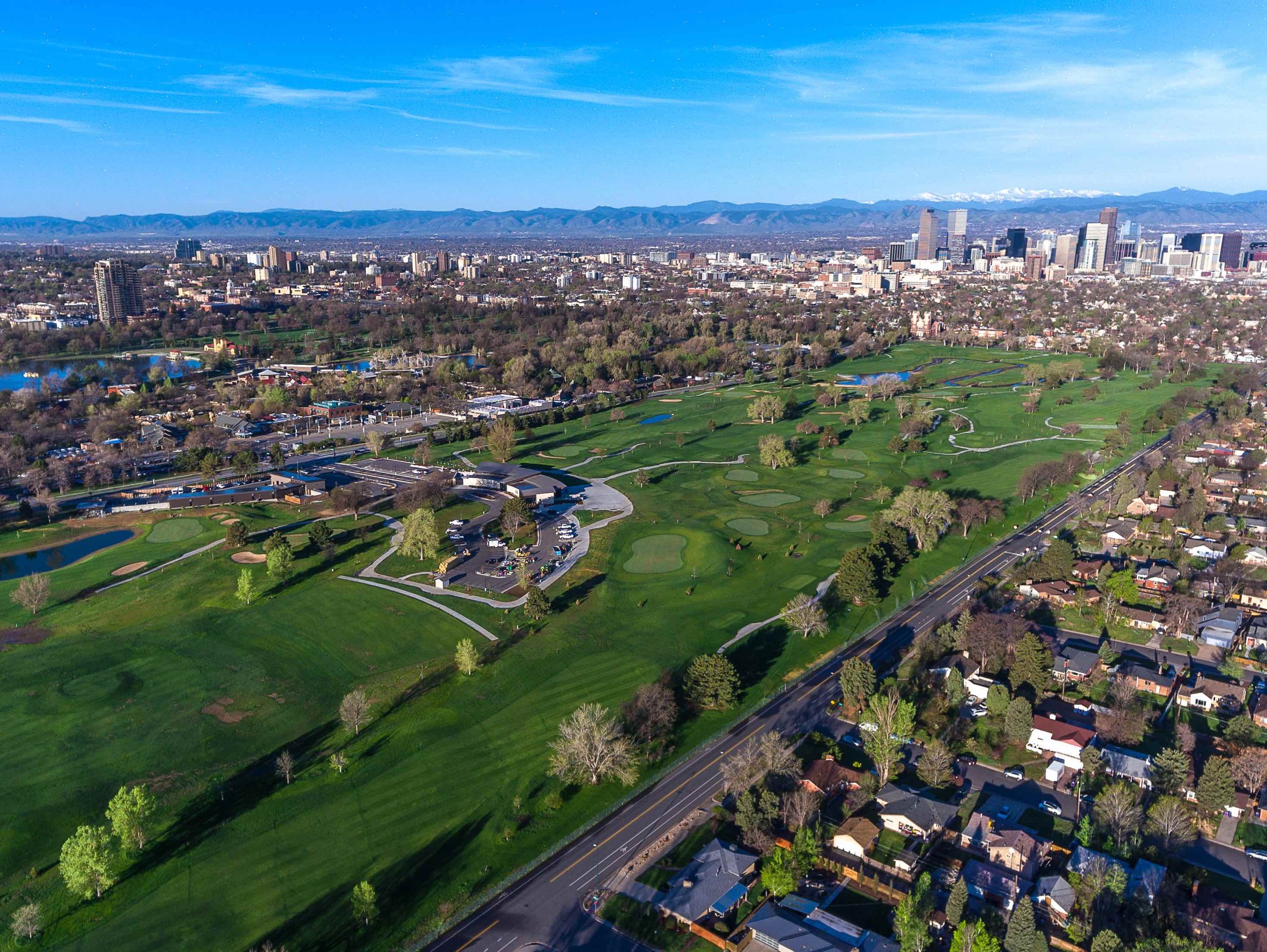
An aerial view of City Park underscores its proximity to downtown Denver, sprawling green spaces, and the residential streetsfacing the park.

Walkability, Lifestyle, and Amenities
Perhaps the greatest draw is the area’s walkability. Whether you’re in the market for Saturday morning runs around Ferril Lake, patio burgers and beers at Vine Street Pub, or a night catching a show at the Bluebird Theater, City Park delivers all the perks of central city living. With “Restaurant Row” on 17th Avenue and the constant buzz along Colfax, there’s plenty to do for foodies and night owls.
Walkability is enhanced by leafy, tree-lined streets and close-knit residential blocks, where you’ll find a mix of historic homes and modern condos. The sense of community remains strong, with active neighborhood groups, summer concerts in the park, and local events fostering neighborly connections. City Park West, for example, consistently ranks as one of Denver’s most walkable neighborhoods, and with the “Green Mile” bike lane, residents can easily reach downtown or nearby green spaces by bike or foot
City Park Real Estate: Prices, Trends, and Types of Homes
The City Park area appeals to a broad spectrum of buyers and renters, from first-time condo owners seeking affordability in a central location to families drawn by proximity to open space and amenities. Here’s how home prices and real estate options break down as of late 2025:
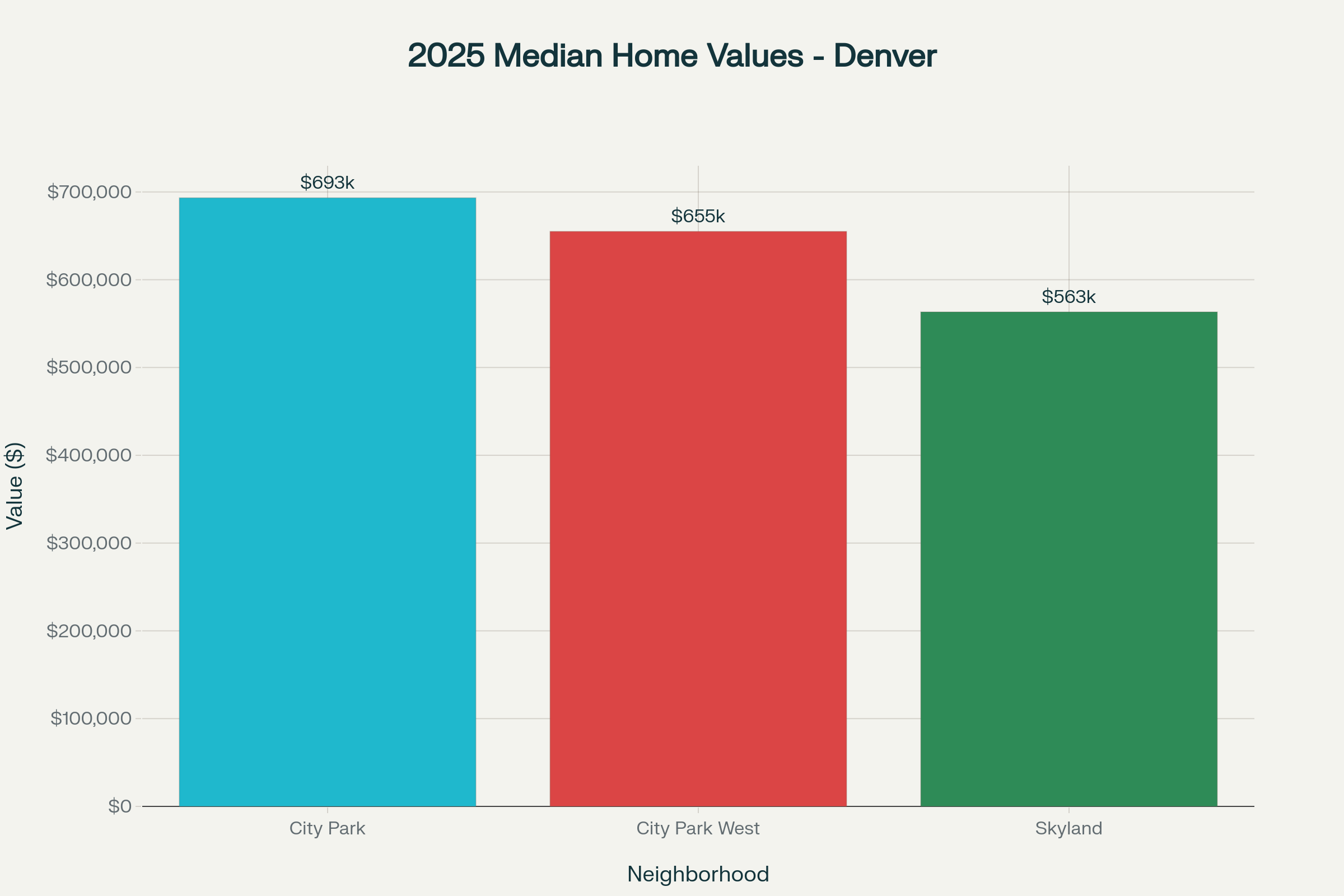
• City Park (core): Average home value of $693,000, with a median listing price of $825,000. Prices are down about 4% year-over-year.
• City Park West: Median sale price of $655,000, with condos generally ranging from $200,000 for a small one-bedroom to over $900,000 for luxury or larger multifamily units.
• Skyland: Average home value stands at approximately $563,000, down 4.3% from last year. This signals more affordability, especially for buyers prioritizing space over absolute walkability.
• Condos: Across all three neighborhoods, condos regularly list between $200,000 and $700,000, depending on size, finish, and building history. Smaller and historic one-bedrooms may trade closer to $300,000, particularly in converted turn-of-the-century buildings, while newer, amenity-rich developments—like the Pinnacle at City Park South—fetch higher prices.
A bar chart illustrates the 2025 median home values for City Park, City Park West, and Skyland.
Benefits of Living in City Park
Access to the City’s Best Green Space
City Park isn’t just a namesake—it’s truly the beating heart of the area. The park offers paddle boating on Ferril Lake, miles of jogging and biking trails, and direct access to the Denver Zoo and Museum of Nature & Science. It is also home to the popular City Park Golf Course and a range of community events, from summer concerts to festivals.
Walkable Urban Convenience
City Park boasts some of Denver’s highest walk scores, thanks to an abundance of top-rated bars, restaurants, cafes, and entertainment venues. The area’s food scene spans everything from slice windows serving up late-night pizza to gourmet brunch spots and craft breweries. There’s always something on tap—literally and figuratively—within a few blocks of home.
Diverse Housing Stock and Relative Affordability
Homebuyers can find everything here—from historic single-family homes dripping with character to affordable condos and luxury high-rise apartments. The average home value in City Park is higher than the Denver citywide average, but the area remains relatively accessible compared to pricier neighborhoods like Wash Park or Cherry Creek.
Centrally Located, Active Lifestyle
Living here means quick commutes—just ten to fifteen minutes—to both downtown Denver and other east-central neighborhoods. With easy access to city bike routes and public transit options, many residents can leave the car parked for days at a time.
Drawbacks and Considerations
Colfax Avenue: Both a Perk and a Challenge
Colfax Avenue is renowned for its busy street life, historic music venues, and eclectic dining, but it’s also among the city’s most congested and occasionally unpredictable thoroughfares. Most residents prefer living a block or two off Colfax, balancing easy access to nightlife and eateries with a quieter home setting. Ongoing infrastructure projects—including Bus Rapid Transit construction—may continue to affect traffic, noise, and parking in the area.
Parking and Traffic
Like many central neighborhoods, parking in City Park can be a challenge, especially around high-density infill and during special events at the Zoo, Museum, or Bluebird Theater. While many condo developments offer reserved off-street parking, street parking is tight, and recent city policies have reduced parking minimums for new developments—increasing pressure on available spots for both residents and visitors.
Competitive Real Estate Market and HOA Costs
Demand for walkable, central city living remains high, with well-appointed homes—especially those with dedicated parking—commanding premium prices. Condo buyers should carefully review HOA dues, which can run $300–$600+ per month, and ensure these fees translate into value in the form of amenities, maintenance, and utilities.
Things to Do in City Park
• Green Spaces and Recreation: Enjoy paddle boats on Ferril Lake, sports fields, playgrounds, and 330 acres of open parkland.
• Culture and Learning: Visit the Denver Museum of Nature & Science, with its planetarium and renowned exhibits, or spend a day at the Denver Zoo.
• Dining and Nightlife: Try local favorites like Vine Street Pub for burgers and microbrews, or grab a slice at Fat Sully’s on bustling Colfax.
• Entertainment: Check out a concert at the historic Bluebird Theater, one of Denver’s favorite venues for live music since 1913.